
Vancouver Symphony Society · President & Chief Executive Officer
Barnaby Kerekes
A builder of music institutions, coming home.
Click to view this application onlineCover Letter
To the Search Committee.
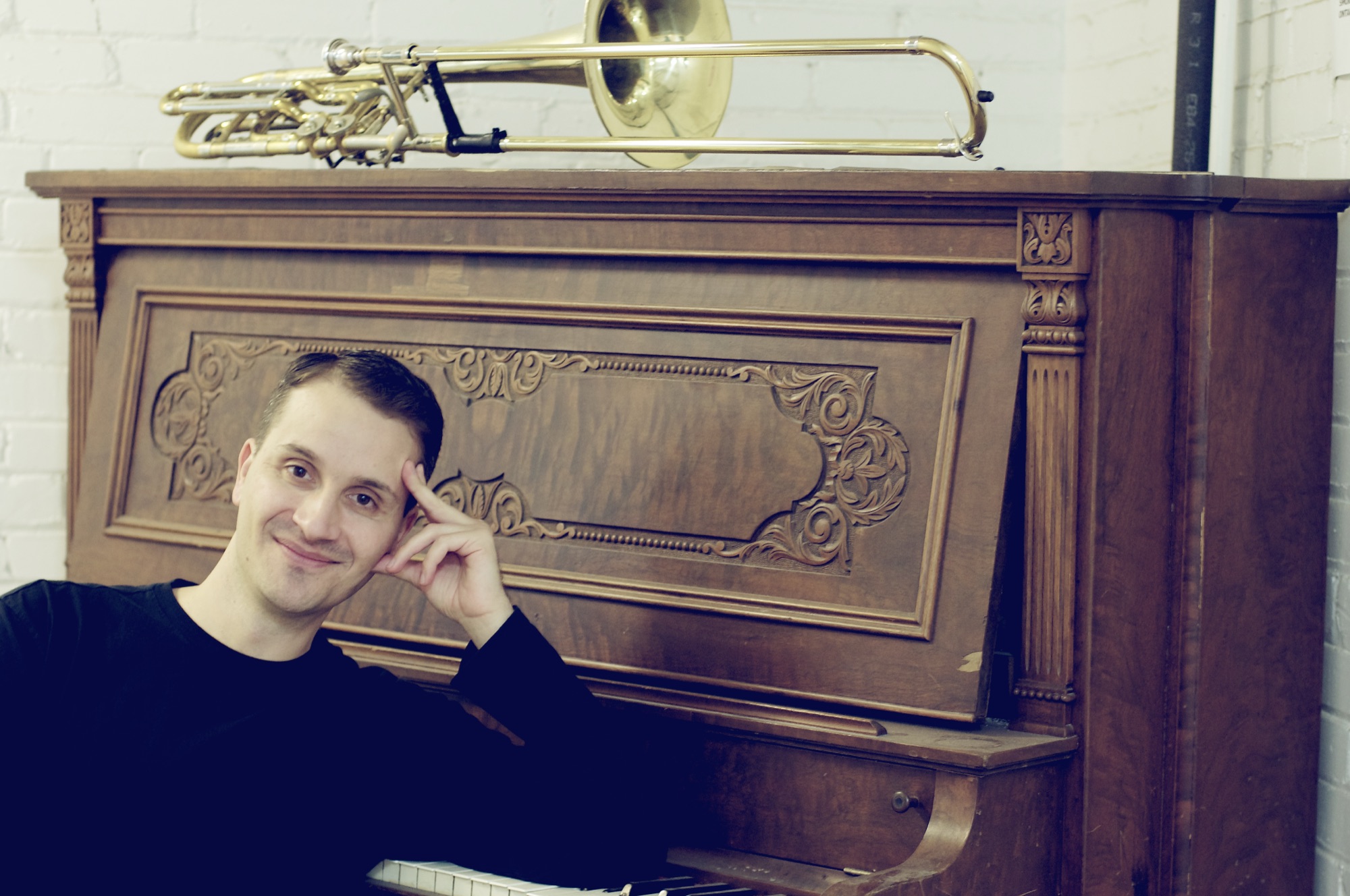
Toronto, August 31, 2026
Dear Ms. McGregor, Ms. Peloso, and the Search Committee,
It is with great enthusiasm that I submit my candidacy for President and Chief Executive Officer of the Vancouver Symphony Society. The VSO is where my musical life began in earnest: I earned my Bachelor of Music at UBC studying with Douglas Sparkes, the VSO’s Bass Trombonist, was mentored by Gordon Cherry the VSO’s principal Trombonist, and performed with the Orchestra by invitation in 2005. I spent my student years working front-of-house at the Chan Centre, organized my own youth orchestra performances, and have become a passionate educator. My experience covers a tremendous range of what it means to bring performances to life. My time in Vancouver taught me what a great orchestra can mean — and does mean — to the people of its city. The opportunity to serve that institution now, at a moment when it is asking searching questions about the future, is one I approach with great curiosity and excitement.
For the past 23 years I have built and led the ABC Academy of Music in Toronto — growing it from an $8,000 first year to a quarter-million-dollar operation, from 4 teachers to 20, from under 50 students to 200 across 11 locations, through the 2008 recession and a global pandemic, without interruption and without debt. I know precisely what it takes to run a music school as a growth engine rather than a cost centre: curriculum acquisition and licensing, retention economics (we sustain 70–80% year-over-year), targeted marketing with measured outcomes, and the disciplined transition from credit-based to cash-positive operations. The position identifies the VSO School of Music — nearly 3,000 students strong — as a strategic lever with untapped potential. Building exactly that, from nothing, has been my life’s work and your view of its potential is aligned with mine.
I am equally a musician who has sat inside orchestras — as a member of the National Youth Orchestra of Canada, the Vancouver Philharmonic, and the Brampton Symphony, and across contract work with orchestras throughout British Columbia and Ontario. I have held musicians’ union membership, worked in the unionized environment of the Chan Centre, and served a term there in temporary management on contract — so a collective agreement is familiar ground to me from both sides of the table. I have lived the musician’s side of the stage, and I have spent two decades as an employer of musicians whose trust I have had to build, earn, and keep. Building and maintaining this cohesion between musicians, management, and boards is not an abstraction to me; it is the daily craft of leading people whose work is their identity. I bring a practical, multi-stakeholder understanding and a genuine willingness to work with every side at the table.
In recent years I have also founded and led the development of a software platform that runs music-education businesses end to end — scheduling, enrolment, billing, and client communication. That work has made me fluent in the data-informed, digitally capable leadership the position calls for, and it shapes how I would approach audience development, donor stewardship, and the School’s growth: measure honestly, test cheaply, scale what works. In the last 18 months this has also pivoted hard to leveraging the power of emergent AI tools to tremendously accelerate development, streamline business operations, and to enhance and expedite planning across strategy, finances, and a range of other areas. I believe these tools can change how arts organizations plan, market, and operate — and having already led that change in my own organizations, I am deeply enthusiastic about empowering the VSO to lead with it too: letting technology carry the routine work machines do well so more of everyone’s time goes to music, audiences, and real relationships that make people connect and stay.
Whatever chapter the committee envisions next, it will be built on trust — trust I am absolutely confident I can earn. I already come to that work wholeheartedly and stay through the hard parts, where I have found my most creative solutions tend to be born. I have never stopped studying my craft, and the question I most want to keep learning about is this one: how can we make orchestral music find its way into the daily lives of regular people — not as a special event, but as something that makes life better every day. That is the most exciting work I can imagine an orchestra doing.
I would be delighted to speak with you and the committee. Thank you for your time and kind consideration.
Barnaby Kerekes
Track Record & Experience
Every chair at the table.
I have led as a conductor, run a business as its CEO, taught as an educator, played as an orchestral musician, governed as a board member, and built as a founder. Each perspective sharpens the others: the conductor’s ear for ensemble, the operator’s discipline with money, the teacher’s patience, the player’s memory of what it feels like on the other side of the podium, the director’s duty of care, the founder’s fearlessness about the new. When a meaningful opportunity appears, I move toward it — that habit is how every one of these chairs was earned, and it is how I would lead the VSO.
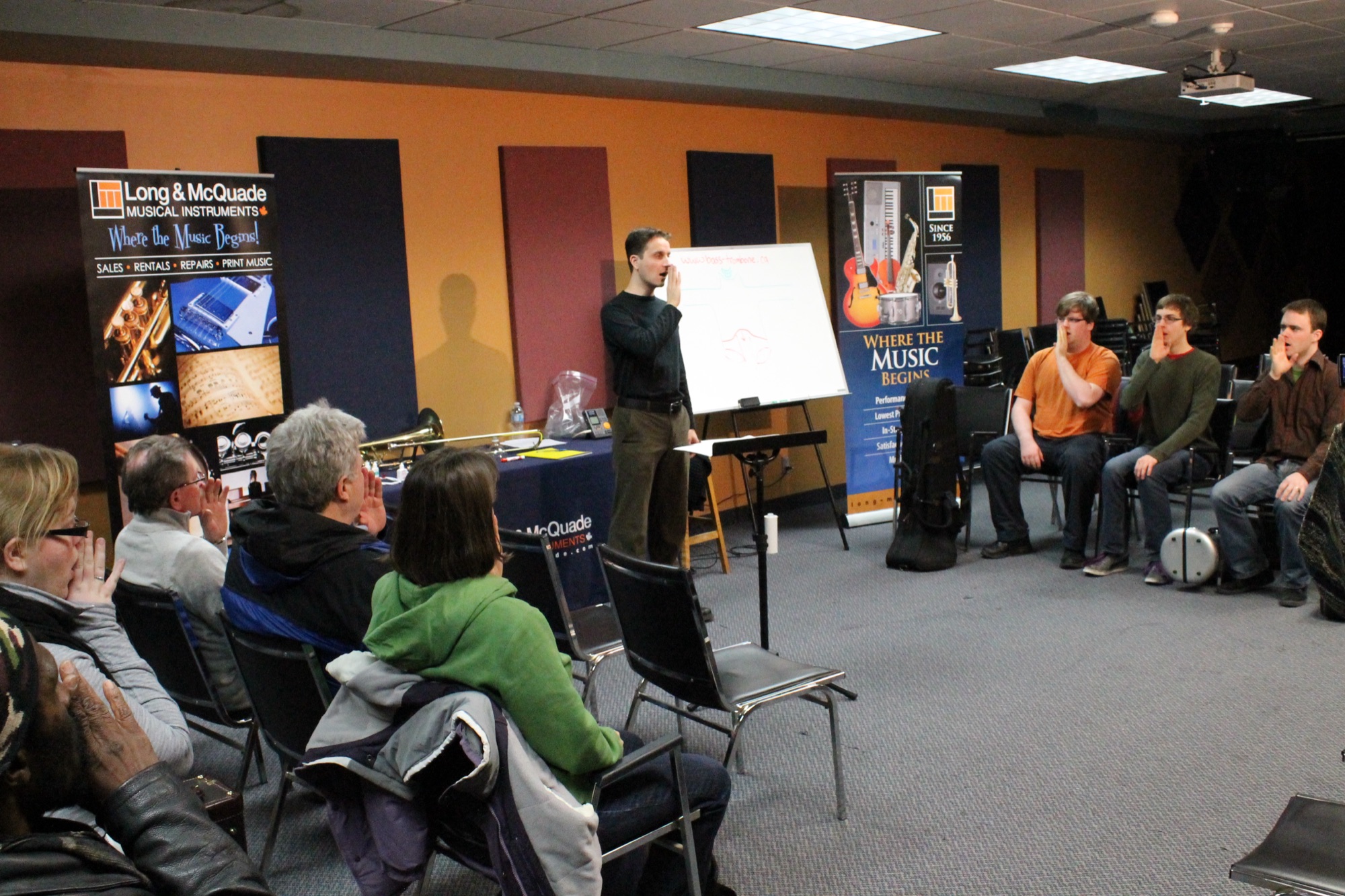
- 01
CEO, 23 years
ABC Academy of Music, Toronto
Built a private music school from an $8,000 first year to a quarter-million-dollar operation — 4 teachers to 20, under 50 students to 200, one location to 11 — through the 2008 recession and a global pandemic, without interruption and without debt. 70–80% client retention, 4.9–5.0 ratings, acquisition and integration of Maple Leaf Music Together (2019).
- CEO
- Educator
- 02
Board Member, Performer & Substitute Conductor
Toronto Concert Band
Serving on the board while playing in and conducting the ensemble — including half of the Fall 2026 concert at Toronto's Glenn Gould Studio. A community institution's full life, seen from every seat in the room.
- Board member
- Conductor
- 03
Orchestral Musician & Theatre Employee
NYO Canada · Vancouver Philharmonic · Brampton Symphony · Freelancer
Member of the National Youth Orchestra of Canada (1999–2002), invited performer with the Vancouver Symphony Orchestra (2005), and contract work with orchestras across British Columbia and Ontario. Musicians’ union member, and unionized staff — later temporary management on contract — at the Chan Centre.
- Orchestral musician
- Union member
- Management: union environment
- 04
Assistant Manager, Band & Orchestral
Long & McQuade Musical Instruments
Canada's largest musical-instrument retailer. Promoted after three years for innovations in events management, merchandising, and sales; top performer in departmental sales; recruited internationally renowned artists for an in-house clinic series.
- Industry
- Management
- 05
Founder — ongoing beta project
Music-education software platform
Founded and lead the ongoing development of a platform, now in beta, that runs music-education businesses end to end — scheduling, enrolment, billing, and client communication. Measure honestly, test cheaply, scale what works.
- Founder
Realities of Today, Visions of Tomorrow
What the position asks. What I bring.
The 2026 specification is refreshingly candid about what the VSO needs next. Each of its stated priorities is answered here first with a matching, verifiable piece of my record — and then, in italics, with where I would take that work.
To serve the VSO now — at a moment when it is asking searching questions — sounds engaging and exciting: a true opportunity to shape and impact the future in ways that maintain the legacy and break new ground toward an ever more relevant orchestra in the city’s cultural landscape.
-
Rebuilding trust with musicians, with bargaining ahead
I have sat on both sides of that table: an orchestral musician and musicians’ union member, unionized staff and then temporary contract management at the Chan Centre, and for two decades an employer of musicians whose trust had to be built and kept. I would come to bargaining early, transparently, and in person — no surprises is the operating rule.
Year one is a listening year, conducted in person: every section, every department, the union, the School’s faculty, all three boards. Trust built in that first year is what every other ambition here is spent from.
-
Cultural stabilization and conduct beyond question
Twenty-three years leading the same institution, with 70–80% of clients and a core of teachers choosing to stay year after year, is the longest character reference I can offer. Culture is repaired by daily conduct and accountability that does not wait for public pressure.
Integrity as infrastructure: clear policy, visible accountability, and conduct that holds on the ordinary days — until the VSO is the sector’s reference point for how an orchestra treats its people.
-
Financial sustainability and revenue diversification
I grew an $8,000 first year into a quarter-million-dollar operation through a recession and a pandemic, without debt — diversifying revenue through curriculum licensing, acquisition (Maple Leaf Music Together, 2019), and a disciplined move to cash-positive operations with reserves.
A revenue base broad enough that no single season, sponsor, or grant can destabilise it: earned income from the School, real reserves, and new lines tested small before they are scaled.
-
The School of Music as an engine for growth
Building and scaling exactly that kind of school is my life’s work: enrolment growth, retention economics, credentialed and licensed programs, and making every student household a symphony household. Few candidates in any pool have run this exact business.
The School as the orchestra’s second stage — nearly 3,000 students who arrive as learners and stay as audience, players, donors, and the musicians of the next generation.
-
Donor confidence through the leadership transition
Two decades of relationship-first leadership — families who stayed 10+ years, institutional partners across school boards and civic bodies. I would personally carry the major-donor portfolio through the change and tie giving to futures donors can see.
Donors give to people and to purpose. Every key relationship paired with continuity, and every ask tied to a future they can picture: the School, touring, the next Music Director era.
-
Equity, diversity, and access through artistic culture
I have spent 23 years running a music school in one of the most diverse cities in the world — families across dozens of languages, faiths, incomes, and abilities, taught in 11 neighbourhoods rather than one address. I am a committed champion of equality and diversity through artistic culture: who gets taught, who gets hired, and whose music is heard are leadership decisions, and I have made them deliberately for two decades.
A VSO whose stage, faculty, staff, and repertoire look and sound like Vancouver — pursued through the School as the widest door, through listening first to Indigenous and equity-deserving artists and communities, and through partnerships built to last rather than announced once.
-
Data-informed, digitally capable leadership
I founded and lead a software platform that runs music-education businesses end to end, and have spent the last 18 months applying emergent AI tools across operations, planning, and marketing. Measure honestly, test cheaply, scale what works.
Free and community programming as the front door, honest audience data as the hallway that turns a first visit into a subscription — technology carrying the routine work so more of everyone’s time goes to music, audiences, and the city.
References
People who know my work.
Beginning with three members of the VSO itself — and a letter from the late Bramwell Tovey, the VSO’s Music Director for eighteen years, written in support of my work on the podium.

Vancouver Symphony Orchestra
- Gordon Cherry Retired Principal Trombonist, Vancouver Symphony Orchestra
- Andrew Poirier Second Trombonist, Vancouver Symphony Orchestra
- Natasha Boyko Cellist, Vancouver Symphony Orchestra
Contact details for VSO referees supplied on request.
Reference letter — Bramwell Tovey, Music Director of the VSO 2000–2018 PDF, included with this application
Toronto Concert Band
- Les Dobbin, O.Ont. Co-Music Director, Toronto Concert Band 416-725-5361 les.dobbin {at} sympatico.ca

Artistic & Professional
- Elizabeth Raum, S.O.M. Composer · Retired Principal Oboist, Regina Symphony 416-465-9212 elizraum {at} bell.net

- Stacey Taylor Assistant Professor of Accounting, University of Ottawa 902-293-4959 staylor9 {at} uottawa.ca

The next step
Let’s talk about the VSO’s next chapter.
Thank you for your time and kind consideration — I would be delighted to speak with the committee, and I am happy to answer any questions in the meantime.
- Telephone
- 416 525 6473
- [email protected]
Prepared for the Vancouver Symphony Society President & CEO search · DHR Global · August 2026
Bonus: Programming Collaboration
Ideas I would bring to the table.
Programming is the Music Director’s and the artistic team’s work, not the CEO’s — but a CEO who cannot think in programmes cannot help build them, fund them, or sell them. These eight are offered as collaboration starters: four adapted from programmes I drafted for a music-director search, four new for Vancouver. They lean deliberately on First Nations and Canadian music, and on streams that open the hall to audiences the subscription series will never reach on its own.
01 Dance, Dance, Dance Dance forms drawn from across the Americas and Eurasia Canadian commission
- Commission: Immigrant Dances — Elizabeth Raum (proposed)
- Arturo Márquez — Danzón No. 2
- Alexander Borodin — Polovtsian Dances (from Prince Igor)
- Camille Saint-Saëns — Introduction and Rondo Capriccioso, Op. 28
- Built for a city of immigrants: each dance on the programme is paired with a Vancouver community that dances it, invited into the lobby before the concert and onto the stage in the pre-show.
- A commission from a senior Canadian composer anchors the evening in living Canadian repertoire rather than souvenir programming.
02 Northern Voices — Elisapie The Inuk singer-songwriter Elisapie, in two contrasting concerts Indigenous artist collaborationDouble featureTouring
- Concert 1 — familiar pop hits reimagined in Inuktitut by Elisapie, the orchestra behind her in new orchestrations, paired with a Canadian orchestral work by an Inuk composer or with an Inuk focus (possible commission)
- Concert 2 — Elisapie’s own catalogue in new orchestral settings, paired with a second Canadian work rooted in Inuk voice and story
- Scored for a core-orchestra footprint so the pairing can travel across British Columbia
- Listen Uummati Attanarsimat (Heart of Glass) originally Blondie
- Listen Quviasukkuvit (If It Makes You Happy) originally Sheryl Crow
- Listen Taimangalimaaq (Time After Time) originally Cyndi Lauper
- Programme the reimagined-pop concert as a Sunday matinee so young audiences can attend — or run a micro version built for children, sponsored to be free. The VSO’s future audience meets genuine Canadian culture early.
- A school-partnered evening edition: dinner, an orchestral set, and a late set — the concert hall as the best night out in the city, not a formal occasion to be endured.
03 4 + 4 + 4 Three works built around the number four Provincial collaborationRecording project
- Robert Schumann — Konzertstück for Four Horns and Orchestra, Op. 86
- Wolfgang Amadeus Mozart — Horn Concerto No. 4 in E-flat, K. 495
- Johannes Brahms — Symphony No. 4 in E minor, Op. 98
- The Schumann asks for four virtuoso horns and is almost never programmed. Invite principal horns from orchestras across British Columbia — Victoria, Kamloops, Okanagan — to stand in front of the VSO for it.
- The VSO as the province’s convening orchestra rather than only its largest: a recording project, a touring item, and a genuine relationship with the regional field.
04 Canadian Brass in Vancouver A two-concert collaboration with the Canadian Brass Double featureRecording projectCommission
- Concert 1 — Canadian Brass: a stand-alone evening (the quintet alone)
- Concert 2 — Solo showcase: the Brass principals as featured soloists with the orchestra
- Repertoire built around brass-and-orchestra showpieces, arranged in conversation with the Brass
- The stand-alone evening opens a commissioning opportunity: a new Canadian work written for each of the five players.
- Both concerts are strong recording candidates, and the education-series tie-in puts world-class brass players in front of School of Music students in the same week.
05 Cultural Festival An annual festival built around one community at a time Placeholder conceptAudience development
- A festival week each season devoted to the music of one of Vancouver’s communities — repertoire, guest artists, food, film, and partner organisations from that community
- Every second year the focus is First Nations: Musqueam, Squamish, and Tsleil-Waututh artists and stories first, with the programme shaped with those communities rather than about them
- Inaugural edition: Hungarian music — Bartók, Kodály, Ligeti, Liszt, and living Hungarian-Canadian voices
- The festival makes the orchestra a host rather than a presenter: each edition builds a permanent relationship with a community that may never have seen itself on the Orpheum stage.
- Rotating focus keeps the format renewable and fundable; the First Nations cadence makes the commitment structural rather than occasional.
06 Ashkenaz West Bringing Toronto’s Ashkenaz Festival to Vancouver Placeholder conceptNational partnership
- A test collaboration with Ashkenaz — North America’s largest festival of Jewish and Yiddish culture — staged as a Vancouver edition with the VSO at its centre
- One weekend to begin: an orchestral concert, a klezmer late night, and community programming with local partners
- Designed as the first step of an ongoing partnership, not a one-off import
- A proven festival brand lowers the risk of building a new audience from nothing, and gives the VSO a national partner with an existing artist roster.
- If the test weekend works, the model repeats: bring a strong Canadian festival west, host it with the orchestra, and keep the relationship.
07 MegaMax Concerts, Recordings & Community Residencies One or two arena-scale collaborations a year, with the orchestra behind the biggest act we can book — and the artist in the community for the week Placeholder conceptRevenue projectRecording projectEducation
- One to two events per season: a stadium-or-arena-scale artist, backed by the VSO, in a concert built and recorded as an event in its own right
- Every booking carries a residency: the visiting artist and their band lead youth workshops in the days around the concert, written into the engagement rather than offered as a favour
- Three equal audiences for that residency — at-risk communities, young people across the Greater Vancouver area, and students of the VSO School of Music — with the artist appearing in each, not only at the School
- Target: at least triple the revenue and the take-home pay of a normal week for the musicians, with residuals from the recording
- Strategic goal: pull major artists and labels back toward working with orchestras — and make the VSO the first orchestra they call
Artists we would go after
-
 Taylor Swift
 -
 Rihanna
 -
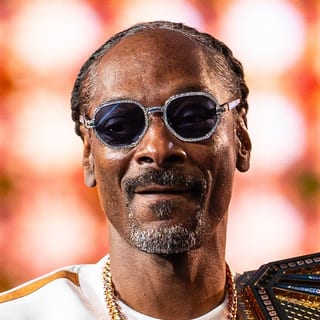 Snoop Dogg
 -
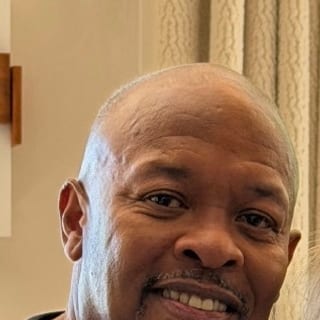 Dr. Dre
 -
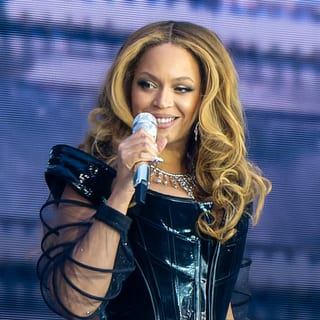 Beyoncé
 -
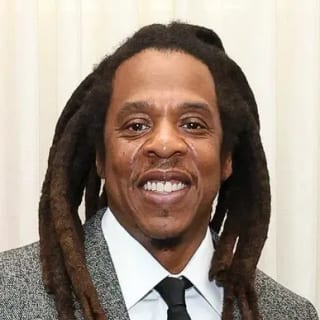 Jay-Z
Jay-Z -
 Lady Gaga
 -
 Alicia Keys
 -
 Ed Sheeran
 -
 Ariana Grande
 -
 Bruno Mars
 -
 Adele
Adele -
 Billie Eilish
A wish list, not a booking. Photographs via Wikimedia Commons (iHeartRadioCA · SIGMA · Diego Serrano · Riceblades · Raph_PH · Photo Courtesy of NYS Senate Media Services · Carlos M. Vazquez II · PhilipRomanoPhoto · Harald Krichel · Barbie Simons · slgckgc · Marc E. · Raph_PH), used under their Creative Commons licences.
- The economics are the point: an event of this scale funds ordinary seasons, pays musicians materially better, and reaches an audience that would never buy a subscription first.
- The residency is what makes the week matter locally: the same artist who fills an arena on Saturday is in a school gym on Thursday, and the young people in that room meet the orchestra alongside them.
- Splitting the workshops evenly across at-risk communities, the wider region, and the School keeps the outreach from collecting where it is easiest to deliver — and gives School students a peer relationship with artists at the top of the industry.
- The recording extends the reach far past the room, and the residual stream keeps paying after the tour buses leave.
08 Recording & Juno Pursuits Commissioning and recording as a standing priority Placeholder conceptCanadian musicRecording project
- A deliberate lift in commissioning new Canadian work, with each commission written toward a recording rather than a single performance
- Double albums pairing standard repertoire with the commissions — the familiar work sells the record, the new work earns the notice
- Awards and national profile treated as an outcome of the plan, not a hope: Juno and Prix Opus submissions built into the season calendar
- A standing recording and commissioning priority strengthens every grant application and special-funding request the VSO makes.
- It also gives Canadian composers a reason to bring their best work to this orchestra first.